
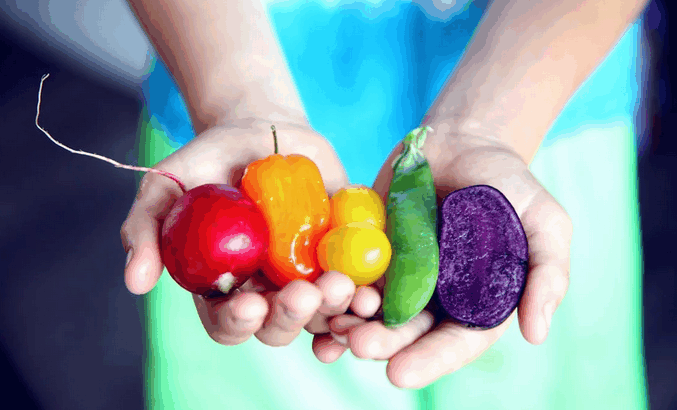
Adding more plants to your plate does not mean going full vegetarian or giving up your favorite meals. It means making room for foods that do your body a world of good. Plant-based eating is not just a health trend. It is a shift in how people approach food, energy, and long-term wellness. Think of it this way. Every extra serving of vegetables, fruits, legumes, or grains is a step toward better digestion, stronger immunity, and clearer thinking. And let’s be honest, it is easier now than ever. From smoothie bowls to hearty lentil soups, tasty options are everywhere. The goal is not perfection. It is progress. Many people who start eating more plants report feeling lighter, sleeping better, and getting sick less often. This is not magic. It is simply the power of real food working with your body instead of against it. If you are curious about what those benefits look like in daily life, read on.
It Boosts Your Energy Naturally
One of the first things people notice after adding more plants to their meals is how much more energy they have. That sluggish feeling after a heavy meal becomes less common. Why? Plants are packed with complex carbohydrates that give you a steady stream of fuel. Unlike processed foods that cause sugar spikes and crashes, whole plant foods provide lasting power. Fruits, grains, and vegetables break down slowly, keeping your blood sugar stable. They also contain fiber, which helps digestion and prevents that weighed-down feeling. Add to that all the vitamins and minerals plants offer, and your body starts performing better without needing extra coffee or sugar to get through the day. Many athletes are now leaning into plant-forward diets for this exact reason. Energy from plants is clean, consistent, and much easier on the system. If you are tired of being tired, your plate might be the first place to look.
It Supports Long-Term Health Without Feeling Restrictive
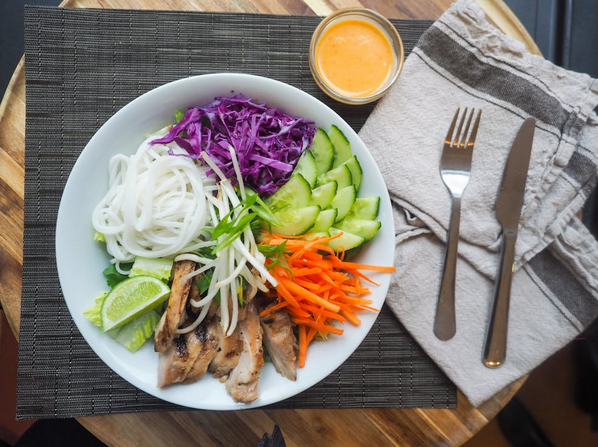 Most people think healthy eating means giving things up. But adding more plants is about gaining more benefits, not losing your favorite dishes. Studies have linked plant-rich diets to lower risks of heart disease, diabetes, and certain cancers. That is not just hype. It is backed by years of research. Plants help reduce inflammation in the body, keep blood pressure in check, and support healthy cholesterol levels. And the best part? You do not have to give up meat entirely. Even swapping a few meals a week with plant-based options can make a big difference. Think grilled veggies instead of fries or lentils instead of ground beef now and then. Your body notices those shifts, and the results build over time. It is about balance, not sacrifice. You can eat better and still enjoy your food. In fact, with all the flavors and textures in plant-based cooking, you might enjoy it even more.
It Can Save You Money While Expanding Your Menu
Grocery bills are no joke these days, and one of the biggest myths is that eating healthy costs more. In reality, plants are some of the most affordable items in the store. Beans, rice, oats, and seasonal vegetables offer incredible value. You can stretch your budget further with plant-based meals that are filling, flavorful, and easy to prepare. A simple pot of lentil stew or a tray of roasted root veggies can feed a family without breaking the bank. Plus, you get to try ingredients and flavors you might have skipped before. Ever cooked with chickpeas, quinoa, or jackfruit? They add new texture and interest to your meals. Eating more plants often means learning to cook more creatively, which adds excitement to your routine. Over time, you build habits that help your wallet and your waistline. And when you feel good after a meal, it is easier to stick with it.
Adding more plants to your diet is not about rules. It is about feeling better, living longer, and enjoying food in a smarter way. You do not need to change everything overnight. Start small. Try one plant-based meal a day or add an extra serving of greens to your lunch. The benefits come quickly, and they stick around. Your body, your mind, and even your grocery budget will thank you.…

 Eliminating sugar can promote weight loss and improve overall health. Added sugar in foods, such as candy and cookies, promotes fat storage and alters appetite stimuli. People who regularly consume added sugars tend to eat more overall because sugar consumption reduces leptin production. Reduced leptin levels contribute to increased appetite and decreased satiety. In addition, sugar is addictive and makes you want to eat more sugar. Reducing or eliminating sugar consumption can help you lose weight.
 Regular exercise is essential for physical and mental well-being. Increasing the frequency of targeted physical activity is often necessary for effective weight loss. One hour of moderate-intensity exercise per day, such as brisk walking, is best. People who are not typically physically active should gradually increase their activity and slowly increase the intensity. This strategy has proven to be the most sustainable approach to making regular exercise part of the lifestyle.