
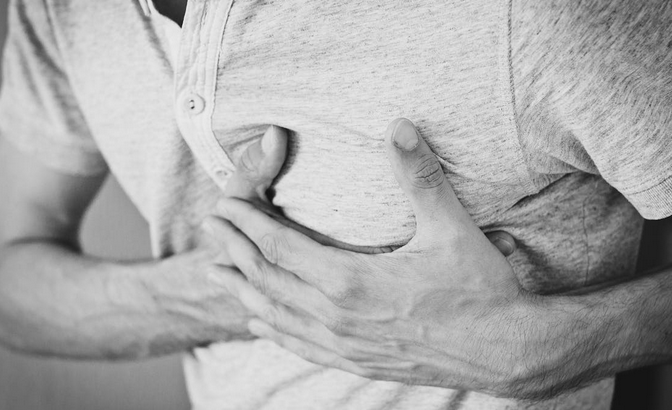
Many people associate heart disease with a poor diet or lack of exercise. While these factors matter, prolonged sitting is another serious concern. Modern lifestyles encourage extended hours at desks, in cars, and in front of screens. Even individuals who exercise regularly may spend most of their day seated. This pattern has significant consequences for cardiovascular health. Understanding why sitting all day impacts heart health more than you think can help people make practical changes that support long-term wellness.
How Prolonged Sitting Affects Circulation
When you sit for extended periods, blood flow slows down. Muscles in the legs remain inactive. Normally, muscle contractions help push blood back toward the heart. Without regular movement, circulation becomes less efficient. Blood can pool in the lower extremities. This sluggish flow places added strain on the cardiovascular system. Over time, reduced circulation may contribute to vascular problems. Even short interruptions in movement can improve blood flow significantly. The body depends on consistent motion to maintain healthy circulation.
The Link Between Sitting and Metabolic Changes
Prolonged sitting alters how the body processes fats and sugars. Muscle inactivity reduces the activity of enzymes responsible for breaking down lipids. This can lead to higher levels of triglycerides and lower levels of protective HDL cholesterol. Elevated blood sugar levels may also occur. These metabolic shifts increase cardiovascular risk. The heart must work harder when blood chemistry becomes imbalanced. Regular movement helps regulate these processes more effectively than extended stillness.
Impact on Blood Pressure
Blood pressure often rises during long periods of inactivity. Reduced circulation and metabolic changes influence vascular function. When blood vessels become less responsive, pressure within them increases. Over time, elevated blood pressure strains the heart. Even individuals without prior hypertension may experience gradual increases if sedentary habits persist. Standing and light activity encourage healthier vascular responses throughout the day.
Inflammation and Cardiovascular Risk

Chronic inflammation plays a role in heart disease development. Prolonged sitting may contribute to low-grade inflammatory responses. Physical inactivity can influence inflammatory markers in the bloodstream. This creates conditions that support plaque formation in arteries. The cardiovascular system responds to ongoing inflammation with structural changes that reduce flexibility. Movement acts as a protective factor. Regular activity lowers inflammatory markers and supports arterial health.
Why Exercise Alone May Not Offset the Risk
Many people believe that daily workouts cancel out long hours of sitting. While exercise is essential, it may not fully compensate for prolonged inactivity. Research suggests that extended sedentary time carries independent risks. A one-hour workout does not erase ten hours of sitting. The body responds to total daily movement patterns. Short bursts of exercise help, but frequent movement throughout the day provides additional protection. Reducing sitting time complements structured exercise routines.
Effects on Weight and Fat Distribution
Sitting all day reduces overall energy expenditure. Even small decreases in daily movement affect calorie balance. Over time, this may lead to weight gain. More importantly, inactivity contributes to visceral fat accumulation. Visceral fat surrounds internal organs and significantly increases cardiovascular risk. Maintaining consistent light movement during the day supports healthier fat distribution and metabolic stability.
The Role of Workplace and Lifestyle Design
Modern environments encourage sedentary behavior. Desk jobs, remote work, and digital entertainment limit natural movement. Small environmental adjustments can promote activity. Standing desks provide an alternative posture. Walking meetings introduce motion into routine tasks. Setting reminders to move every hour encourages consistency. Even brief stretches improve circulation and muscle activation. Lifestyle design plays a critical role in reducing cardiovascular strain.
Practical Strategies to Reduce Sitting Time
Reducing sedentary behavior does not require a drastic change. Simple strategies make a meaningful difference. Stand while taking phone calls. Walk during short breaks. Use stairs instead of elevators when possible. Incorporate short movement intervals into long tasks. Light activity stimulates muscles and supports blood flow. Consistency matters more than intensity. Frequent small actions add up throughout the day. These habits help ensure that movement becomes part of a daily routine rather than a separate activity.
Sitting all day impacts heart health more than many people realize. Prolonged inactivity slows circulation, disrupts metabolism, raises blood pressure, and contributes to inflammation. Even regular exercise cannot fully counteract the effects of extended sedentary time. The body benefits from consistent movement throughout the day. Modern lifestyles make sitting unavoidable in many situations. However, small adjustments reduce cardiovascular strain significantly. Standing, stretching, and walking at regular intervals improve blood flow and metabolic balance. Designing environments that support movement protects long-term heart health.…

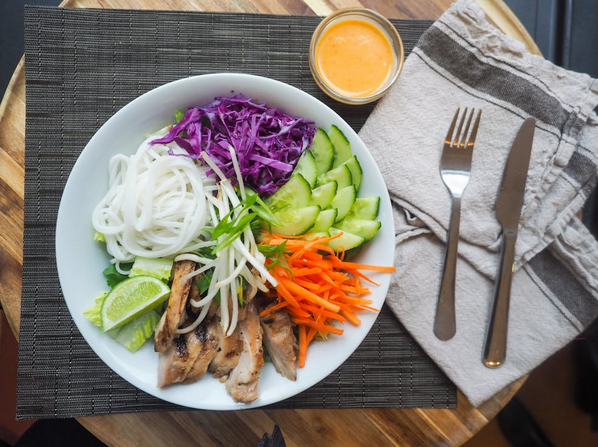 Most people think healthy eating means giving things up. But adding more plants is about gaining more benefits, not losing your favorite dishes. Studies have linked plant-rich diets to lower risks of heart disease, diabetes, and certain cancers. That is not just hype. It is backed by years of research. Plants help reduce inflammation in the body, keep blood pressure in check, and support healthy cholesterol levels. And the best part? You do not have to give up meat entirely. Even swapping a few meals a week with plant-based options can make a big difference. Think grilled veggies instead of fries or lentils instead of ground beef now and then. Your body notices those shifts, and the results build over time. It is about balance, not sacrifice. You can eat better and still enjoy your food. In fact, with all the flavors and textures in plant-based cooking, you might enjoy it even more.


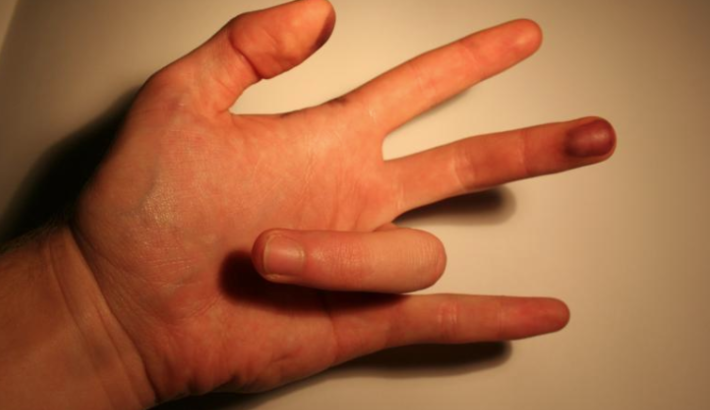
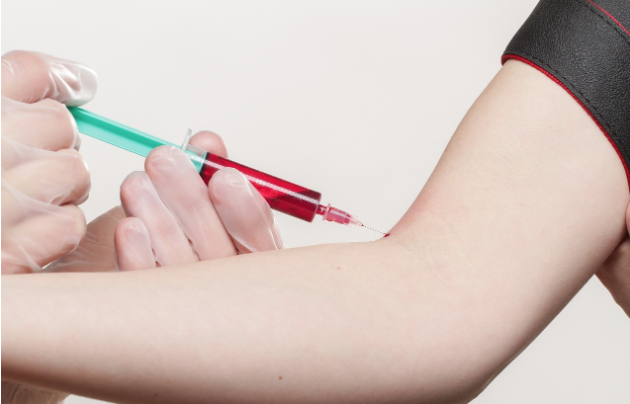 Sclerotherapy is a widely used and highly effective treatment for varicose veins. This involves injecting a special solution directly into the affected veins. This procedure is minimally invasive, making it a popular choice for those seeking relief from painful or unsightly veins. During the sclerotherapy procedure, a trained healthcare professional will carefully insert a fine needle into the targeted vein.
 Venaseal Closure System is a minimally invasive treatment option for varicose veins that has gained popularity in recent years. This innovative procedure involves the use of medical-grade adhesive to seal off the affected veins, effectively eliminating their appearance and symptoms. Unlike traditional vein treatments, Venaseal Closure System does not require multiple injections or incisions.

 This disease is caused by bacteria called Campylobacter, which are commonly found in the intestinal tracts of these animals. When a person comes into contact with infected reptiles or amphibians, they can become contaminated with the bacteria through direct contact or by touching surfaces or objects that have been contaminated. Symptoms of campylobacteriosis include diarrhea (often bloody), abdominal pain, fever, and nausea. Note that not all reptiles and amphibians carry Campylobacter, but it is still necessary to take precautions when handling them. Washing your hands thoroughly after handling these animals or their habitats can greatly reduce the risk of infection.


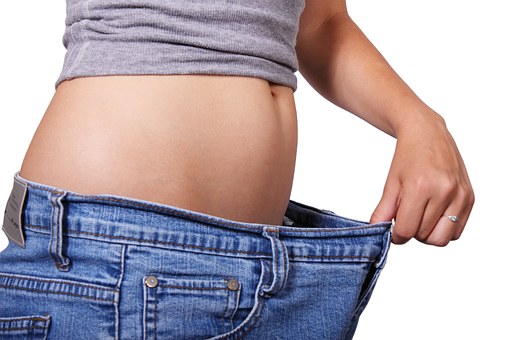
 your metabolism. Once your metabolism is increased the body system will work as expected and digestion will be done appropriately.
 Taking the slender shake can be in many ways, and it will be for you to choose the preferable one for you. One way of taking the slender shake and make it effective is through taking it as a way of replacing other meals. Use slender blend in place of meals that you take which contain a lot of carbohydrates. Carbohydrates are the biggest contributors’ of weight, and once you regulate their intake, you will see tremendous results.


 The head of a club the lower part of the iron that actually comes into contact with the ball. Its material should be the best in the market. There are a number of club’s head designs. The cavity back iron is one of the most favorite designs. It changes the weighing characteristics. It also changes the appearance of the clubs’ head. It removes the weight of the club from behind the center. This makes more of the clubs’ weight to be around the perimeter. The over-sized cavity back is another very ideal head design. It is the simplest to use as it provides the biggest surface area. The ball is thus hit easily. It is ideal for beginners. The best clubs’ head is one best of iron. The weight of the clubs’ head should be distributed around the perimeter.
 The position of the center of gravity is one of the technical part in buying a club. The position of the center of gravity will not be direct to identify. Very few people know that the clubs’ center of gravity affects the play. The center of gravity will affect the stability of the club. Stability of the golfer will affect the accuracy of the shots. The best golf club is one with a lower center of gravity. The center of gravity will be determined by many things among them the material and the weight of the head. The weight of head should be distributed around the perimeter. This will lower the center of gravity and increase the stability of the club…