

Healthcare is no longer just about treating illnesses after they appear. More people are becoming interested in taking care of their health before problems develop. From wearable fitness trackers to advanced wellness devices, technology is making it easier to understand our bodies and make better lifestyle choices. These innovations are changing how people approach preventive healthcare, encouraging healthier habits and more proactive approaches to overall well-being. Whether it is monitoring daily activity, improving recovery, or supporting skin health, modern wellness technologies are opening up new possibilities for everyday health management.
Wearable Technology Is Making Health Monitoring Easier
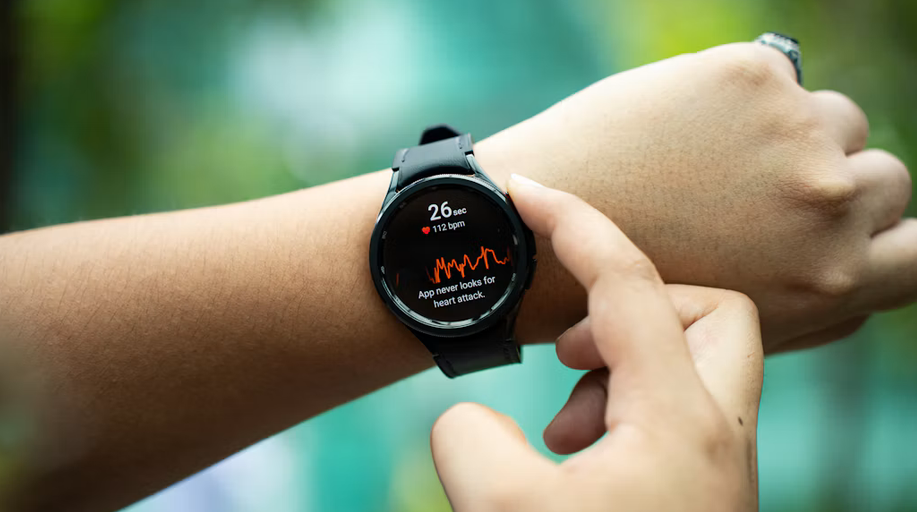
Wearable devices have changed how people keep track of their everyday health. Smartwatches, fitness bands, and other health trackers can monitor things like heart rate, sleep patterns, daily steps, and physical activity. Having access to this information helps people recognise lifestyle patterns and identify areas where they may need to make improvements. For instance, someone who notices consistently poor sleep may decide to adjust their bedtime routine or reduce screen time before sleeping. While these devices cannot diagnose medical conditions, they can encourage people to become more aware of their health and seek professional advice when necessary.
Preventive Healthcare Becomes More Accessible at Home
Another big shift in modern healthcare is accessing wellness solutions without always visiting a clinic or specialist. Many people are investing in home wellness devices that help them maintain healthy routines and take a more active role in their well-being. For example, people now prefer red light therapy at home. The therapy has become an increasingly popular option for people interested in supporting skin health, recovery, and general wellness. These devices use specific wavelengths of red and near-infrared light, which are being studied for their potential effects on cellular activity. Although they are not a replacement for medical treatment, they offer another way for individuals to explore non-invasive wellness practices.
Personalized Wellness Is Becoming More Popular
People have different health needs, lifestyles, and wellness goals. As a result, personalised healthcare is becoming an important part of preventive health management. Modern wellness technologies allow individuals to monitor certain health indicators and adjust their routines based on their personal needs. Some devices offer customised settings for different treatment areas, while health applications provide insights based on activity levels and sleep habits. This makes it easier to develop wellness routines that feel practical and sustainable rather than following a one-size-fits-all approach.
Supporting Skin Health Through Modern Technology Is Now Possible
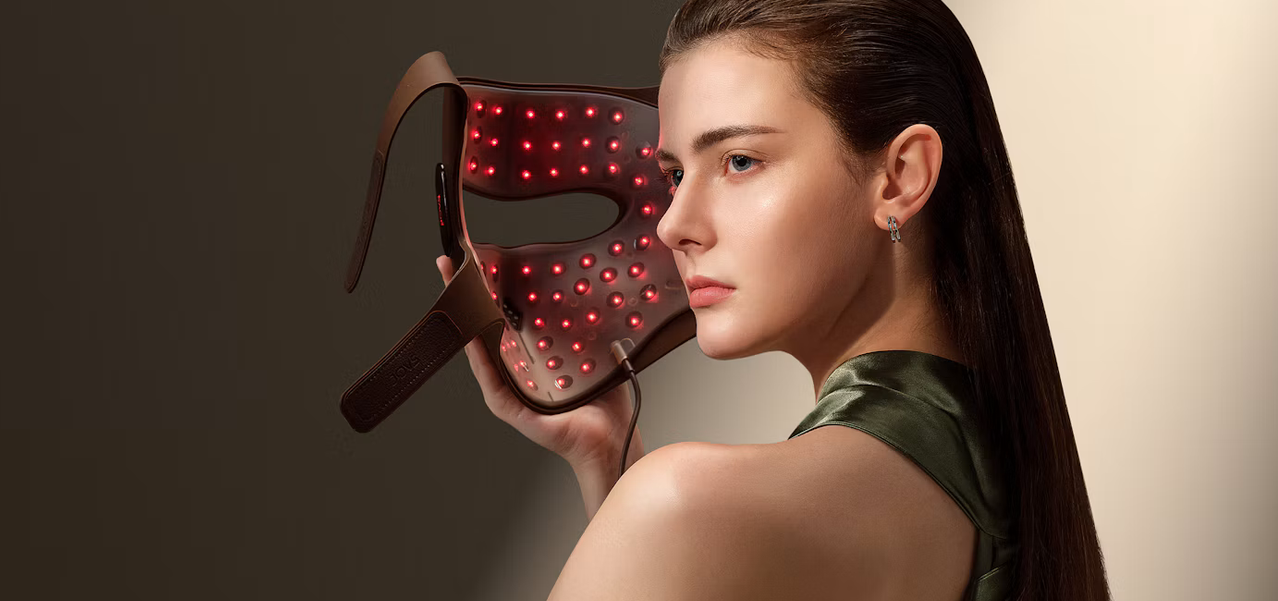
Healthy skin is an important part of overall wellness, and technology is creating new ways to support skincare routines. Beyond traditional creams and moisturizers, people are exploring devices that use light-based treatments to address common skin concerns. Photobiomodulation, commonly associated with red and near-infrared light exposure, has attracted interest for its potential role in supporting cellular processes, collagen production, and skin rejuvenation. Some research suggests that these treatments may help improve the appearance of fine lines and support skin health. However, results can vary depending on the device, treatment schedule, and individual skin condition.
Innovative Wellness Solutions Ensure Better Recovery
Physical recovery is another area benefiting from modern wellness technology. Whether someone exercises regularly, works long hours, or spends much of the day sitting, muscle discomfort and fatigue can affect everyday activities. Recovery-focused devices are becoming popular among people looking for additional ways to support their bodies. Light-based treatments, massage devices, and other non-invasive wellness solutions are being explored for their potential to support muscle recovery and reduce discomfort. When combined with adequate sleep, hydration, balanced nutrition, and appropriate physical activity, these approaches can contribute to a more consistent recovery routine.
Cellular Health and Energy Are Now the Main Topics
There is growing interest in cellular health because cells play an important role in almost every function of the body. Mitochondria, often described as the energy-producing structures within cells, help generate the energy needed for normal cellular activities. Researchers are exploring how different wellness technologies may influence these processes. Photobiomodulation, for example, uses specific wavelengths of light that may interact with cellular components involved in energy production. Although research is ongoing, this area offers interesting possibilities for understanding how technology could support certain aspects of human health and recovery.
Even with all these exciting innovations, technology alone cannot guarantee good health. Preventive healthcare still depends on everyday habits such as eating nutritious foods, staying physically active, getting enough sleep, managing stress, and attending regular health check-ups. Wellness devices work best when they complement these foundations rather than replace them. It is also important to choose reliable products, understand their limitations, and speak with a healthcare professional before using unfamiliar treatments, especially when managing an existing medical condition.…